Pour Over Extraction Timeline: Acids, Sugars, Bitters
By Maya Patel • 30th Jan
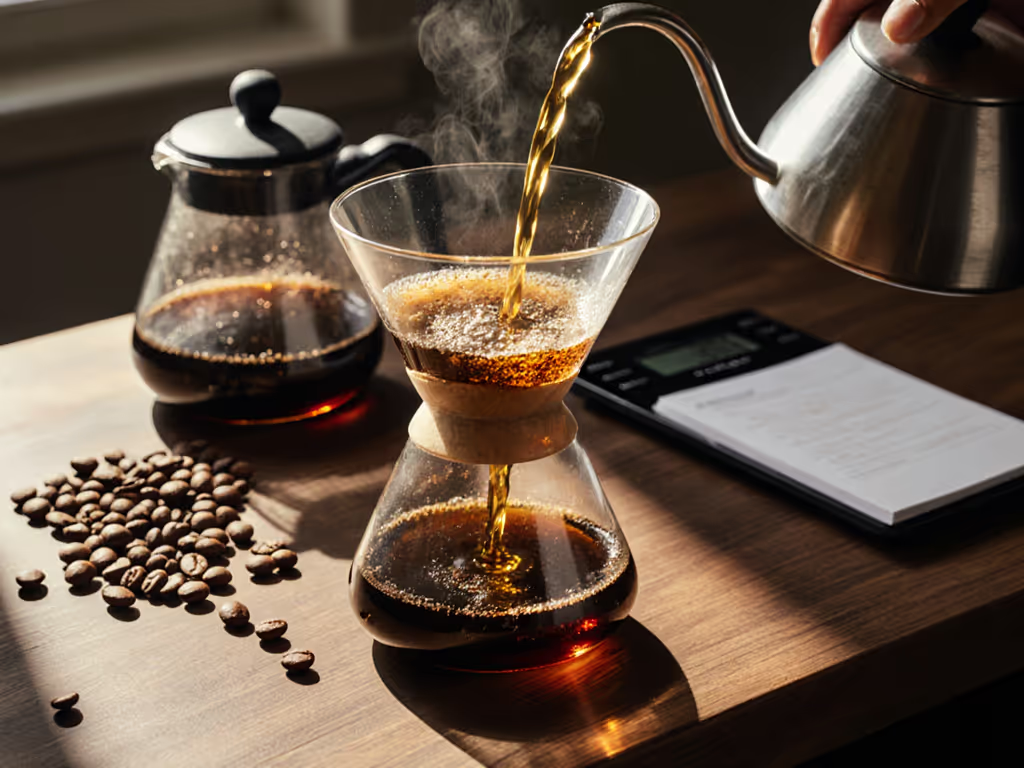
Understanding pour over extraction chemistry is the key to transforming inconsistent, confusing brews into reliably delicious cups. When you grasp how coffee compound extraction unfolds minute by minute, you stop guessing and start controlling your brew. The good news? You don't need expensive gear or lab-grade precision. For a deeper dive into the variables behind this, see our pour-over extraction science guide. I've seen countless beginners light up when they realize their tap water and hand grinder can produce sweet, balanced coffee (once they understand what happens when water meets coffee at each stage of the pour).
One small change, noticeably better. That's the mantra I repeat at my community workshops. At our neighborhood library sessions, we brew with whatever folks bring: tap water, grocery store beans, hand grinders from every era. We map one change at a time: rinsed filter, finer grind, steadier bloom. Faces change when sweetness appears. That's when beginners realize control beats gadgets, every single time.
Frequently Asked Questions: The Extraction Timeline Explained
What Actually Happens During the Bloom?
That first 30-45 seconds isn't just about releasing CO2 (though that's important!). It's when your coffee's bright, lively acids begin dissolving into water. Think of these as the "wake-up call" notes in your cup: citrus, berry, or wine-like flavors. These acid extraction timeline phases are delicate: too little bloom time and your coffee tastes hollow; too much and acids become sharp.
Pro Tip: If your coffee tastes sour or thin, try extending your bloom by 10-15 seconds. This gives those early-extracting acids time to balance before sweeter compounds join the party.
When Do Those Sweet Notes Actually Develop?
About 45-90 seconds into your pour (after the bloom), sugars start dissolving into your brew. This is the sugar development pour over sweet spot. These aren't added sugars. They're naturally occurring compounds the roasting process transformed from the bean's starches. When extraction hits this phase, your coffee gains body and roundness. Miss this window (by rushing your pour or using too coarse a grind), and you'll get that "flat" taste beginners describe.
Water temperature is your secret weapon here. At 195-205°F, sugars dissolve efficiently. If you're using cooler water (say, for a smoother cup), extend your total brew time slightly, because those sugars need more contact time to fully emerge.
How Early Do Bitter Compounds Start Extracting?
Here's what surprises most beginners: bitter compound extraction begins almost immediately, but it's not all bad! Some bitterness balances sweetness and creates complexity. The problem happens when bitter compounds dominate because extraction goes too long. After the 2-minute mark in a standard pour over, heavier compounds (including certain bitter notes) accelerate their release.
Grind size dramatically affects this timeline. With uneven grinder output (common in budget grinders), fines extract bitterness immediately while boulders lag behind. That's why learning to adjust your pour speed matters more than chasing perfect particle distribution.
How Do I Balance All These Compounds?
Flavor balance pour over isn't about eliminating any single element: it's about proportion. The ideal extraction window lands between 18-22% dissolved solids. Too early (under-extracted), and acids dominate. Too late (over-extracted), and bitterness overwhelms.
Let your taste guide you:
-
Sour/harsh? Extraction stopped too soon. Try:
- Slightly finer grind (but don't overdo it!)
- Slower pour rate in middle stages
- Warmer water (if below 195°F)
-
Bitter/astringent? Extraction went too long. Try:
- Slightly coarser grind
- Faster pour during final stages
- Shorter total brew time
The Chemex makes this balancing act visible, because the thicker paper filters slow flow rate, stretching out the extraction timeline. This gives beginners more margin for error when developing sugars while limiting harsh compounds. If you're using a V60, focus on maintaining steady water level during the mid-pour stages when sugars develop.
"My Water Makes Everything Taste Different (Help!)"
This hits close to home for most of my workshop participants. Tap water minerals extract compounds differently: calcium grabs sugars aggressively, while magnesium targets acids. For practical fixes and simple mineral targets, read our pour-over water quality guide. A simple filter (like a $20 countertop model) often creates more consistent extraction than chasing perfect water chemistry. That's an adjustment with immediate payoff: one small change, noticeably better.
"I Only Have 5 Minutes on Weekday Mornings (How Do I Nail This?)"
Start with just two variables:
- Grind size: Keep it medium-fine (like table salt) for most medium roasts
- Pour rhythm: Steady spiral, keeping coffee bed evenly saturated
Consistency comes from controlling what you can, not chasing perfection. Your $30 hand grinder can produce amazing coffee when you understand that extraction timeline. Measure your grind against the acid extraction timeline and sugar development pour over phases rather than obsessing over microns.
Your Path Forward: Start Where You Are
I'll never forget the day Maria, a nurse who brews between shifts, leaned across our library table and whispered, "I think I finally taste the difference." She'd adjusted just one thing (her bloom time) and found balance in her grocery store Colombian beans. That's the power of understanding extraction: it turns frustration into discovery.
You don't need to memorize extraction percentages or buy lab equipment. Start where you are; one variable, one win, then another. Notice how acids present in the first minute, how sugars emerge next, when bitterness begins to build. Taste honestly, adjust gently, and celebrate each small improvement.
The most profound coffee mastery isn't in flawless technique: it's in recognizing that your tap water, your grinder, and your busy schedule can still produce extraordinary cups. When you understand the extraction timeline, you're not just making coffee. You're conducting a chemical symphony where you hold the conductor's baton.
Ready to explore further? Try this tomorrow morning: brew your usual pour over, but pause at 1:30 into the pour. Taste that early liquid separately from the full cup. Notice the progression from bright acids to rounded sweetness. You'll gain more insight in those two minutes than hours of reading, and you'll be well on your way to consistent, cafe-quality coffee with the tools you already own.
Related Articles
Brewing Techniques & Coffee Science
Dense Bean Extraction: Control Your Pour Over Variables
24th Apr•7 min read
Brewing Techniques & Coffee Science
High-Sugar Coffee Beans: Pour-Over Extraction Guide
12th Apr•8 min read
Brewing Techniques & Coffee Science
High TDS Water Pour Over: Flow & Extraction Guide
31st Mar•7 min read