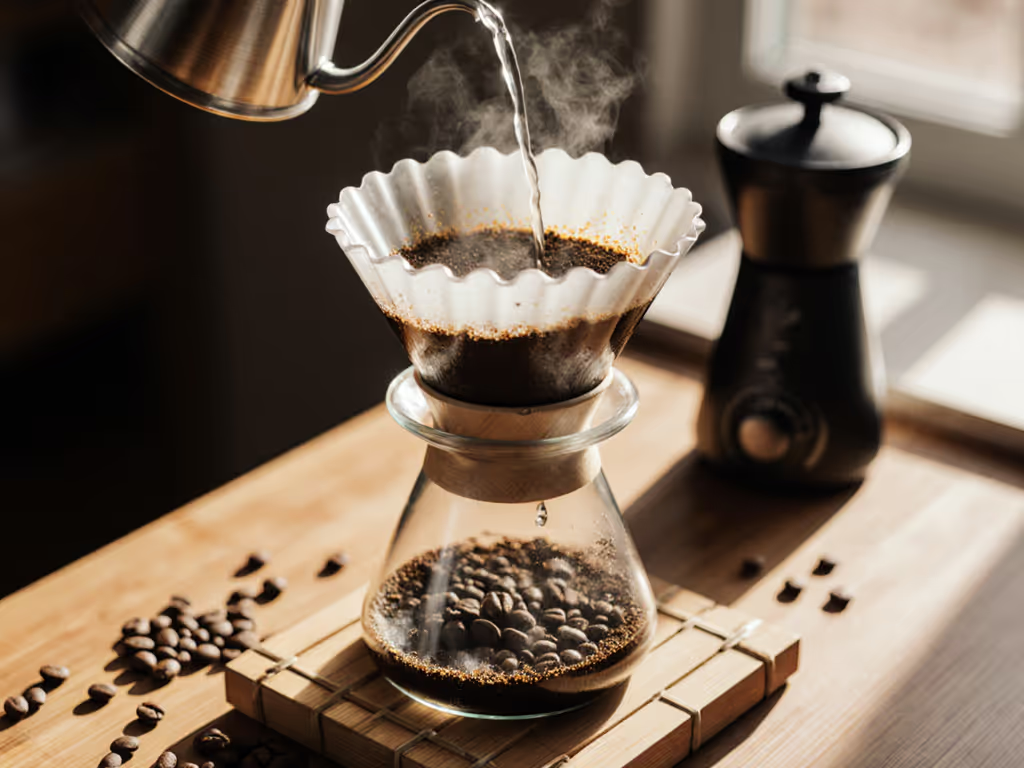
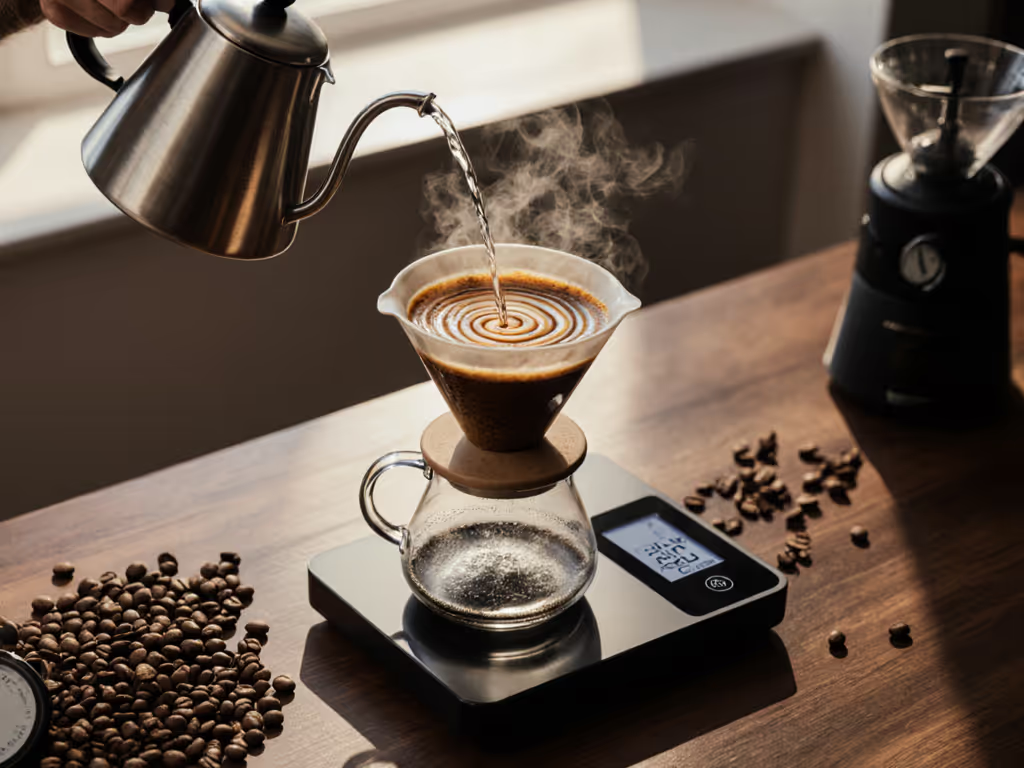
Double-Filtered Pour Over: Clearer Coffee in 7 Minutes
By Maya Patel • 20th Nov
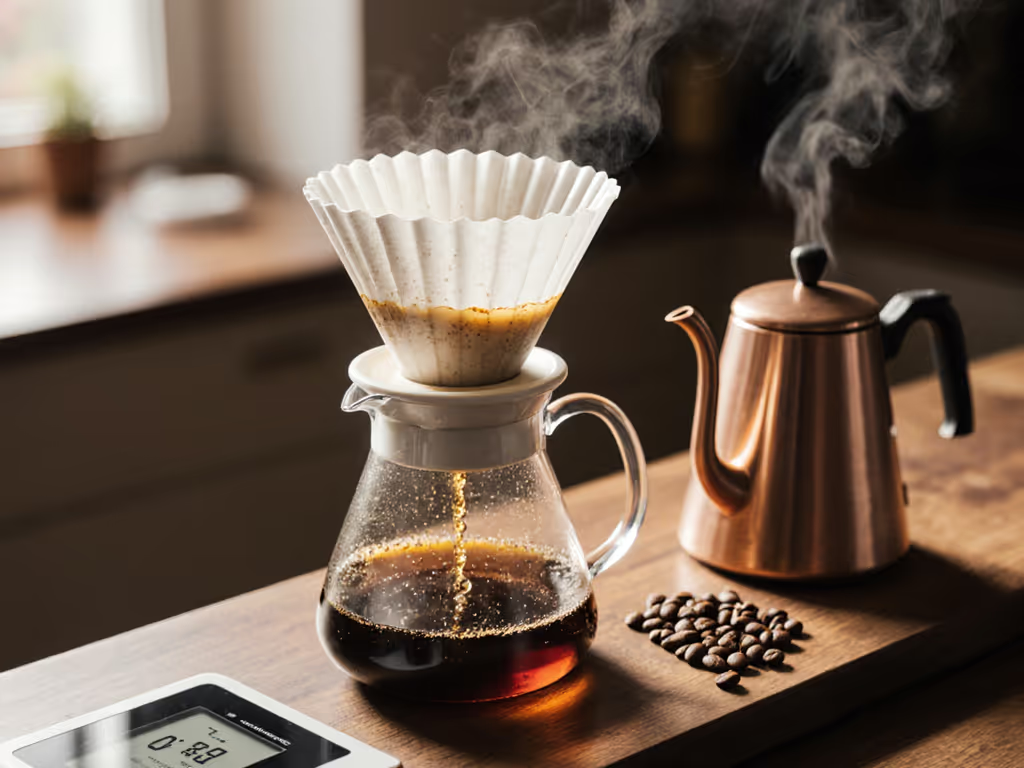
If you've ever wondered whether a double-filter pour over could solve your muddy-tasting coffee without buying new gear, you're not alone. Many of us brew with tap water and a basic grinder, yet crave that crisp, sweet clarity we taste at cafes. The good news? One simple tweak (a dual layer filter system) can transform your morning cup in less time than it takes to toast bread. And no, you don't need the best pour over coffee maker on the market to start. Just your current dripper, coffee, and two filters.
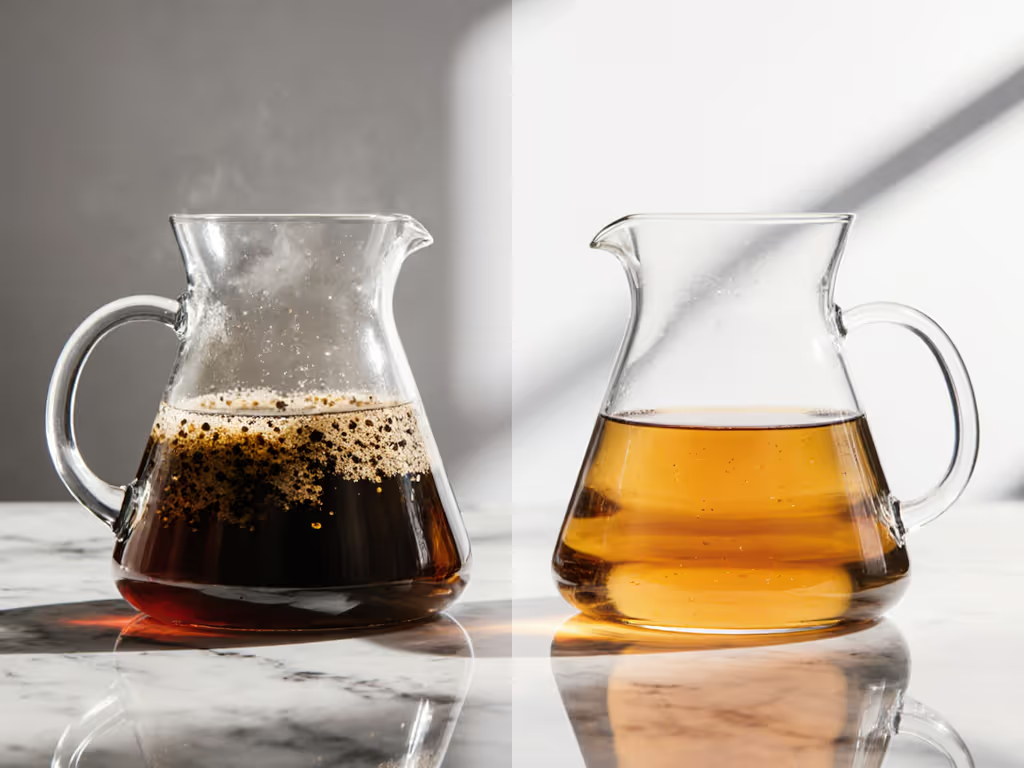
Why Two Filters? Separating Fact from Folklore
I've heard the same debate at countless community workshops: "Does stacking filters make coffee weaker or stronger?" One friend insists it strips flavor. Another swears it deepens extraction. Both are half-right, which is why this technique works so well for beginners. Here's what actually happens: For a deeper dive into how flow rate and contact time shape flavor, see our pour-over extraction guide.
- Slower flow = more time for water to pull sweetness from grounds (good!)
- Extra filtration = fewer fines/sediment muddying your cup (also good!)
- But only if you adjust one variable: your grind size
Start where you are; one variable, one win, then another.
When water moves slower through two filters, finer particles get trapped before they hit your mug. That's why double-filtered coffee tastes cleaner (not weaker). But if your grind stays too fine, it can over-extract bitterness. The fix? Grind just slightly coarser than usual. This tiny shift balances flow and flavor. In my neighborhood library experiments, we saw faces light up when someone rinsed their filter or adjusted grind, proving control beats gadgets every time.
Your 7-Minute Clarity Framework (No Degree Required)
Forget complicated chemistry. This is designed for weekday mornings when you're half-awake but still want exceptional coffee. We'll focus on one change that builds confidence: dual-layer filtration.
Step 1: Choose Your Filters Wisely
Not all filters play nice together. For reliable sediment-free pour over:
- Use two identical paper filters (e.g., two #2 cones). Mixing types (paper + cloth) clogs inconsistently.
- Skip pre-rinsing if your water tastes clean. Rinse only if tap water has a papery/metallic note (test by pouring hot water through a dry filter and sipping). For simple ways to improve tap water for coffee, see our water quality guide.
- Place filters snugly in your dripper (no bunching!). If they flop against the walls (like in a V60), gently reshape them with a spoon handle.
Why this works: Uniform layers create even water flow. Bunched filters cause "channeling" (where water bypasses grounds, creating sour spots). To see how paper, metal, and cloth each affect clarity and body, compare pour-over filter types.
Step 2: Tweak Just the Grind (Your Secret Weapon)
This is where beginners trip up. Double filter coffee benefits vanish if you skip this:
| Standard Grind Size | Double-Filter Adjustment |
|---|---|
| Medium (like sea salt) | Slightly coarser (like coarse sand) |
| Fine (espresso) | Medium (prevents bitterness) |
Your goal? Water should drain steadily (not glug like a clogged sink, nor race through like a sieve). Aim for total brew time of 2:30-3:30 for a 12 oz cup. If you need help dialing in by brewer, use our grind size guide. Too slow? Coarsen grind 1 click. Too fast? Fine it slightly.
Step 3: Brew Like a Calm Human (Not a Robot)
Pour with purpose, not perfection:
- Bloom first: 50g water for 45 seconds (releases CO2 trapped in fresh beans)
- Pulse pour gently: Add remaining water in 3 slow spirals (e.g., 100g -> 100g -> 100g for 350g total)
- Keep water level steady: Never let the bed go dry between pours
If using a Chemex (with its thicker bonded filters), you'll need even coarser grounds. Their dual-layer design naturally slows flow, so compensating prevents over-extraction.
Answering Your Real Fears (FAQ)
"Won't this weaken my coffee?"
No, if you adjust your grind. Unadjusted, double filters can under-extract (sour taste). But with a coarser grind, you gain clarity without losing body. Think of it like a tea bag with two layers: more flavor control, less grit.
"Which is the best pour over coffee maker for this?"
Your current one! Kalita, V60, or Chemex all work. The Chemex's thicker filter already acts like a dual-layer system, so you may not need two filters, but if using paper, ensure it's the right size (no bunching!).
"Is this wasteful?"
Actually, it saves beans. Fewer failed brews = less wasted coffee. One library attendee cut bean waste by 30% after mastering this. Plus, paper filters compost!
"Why does my double-filter cup taste flat?"
Two likely culprits: 1) Water drained too slowly (grind too fine), or 2) Bloom time was skipped. Fix: Coarsen grind + always bloom. Still getting sour or bitter cups? Work through our pour-over troubleshooting guide. Clarity isn't about strength (it's about balanced sweetness).
The Real Win: Trusting Your Palate
At the end of the day, pour over clarity techniques succeed when you taste the difference. Not through gadgets, but through honest sips and one tweak at a time. Last Tuesday, Maria (a regular at my workshops) texted: "Tried double filters with my old Melitta. Finally tasted the peach notes the bag promised!"
That's the magic. When sediment disappears, subtle flavors emerge (like lifting a veil off your coffee). You realize your tap water and $30 grinder were capable of this all along. Confidence brews consistency. Not fancy gear. Not perfect pours. Just you, noticing what changes when you try one small thing.
Ready to explore further? Try this tomorrow morning:
- Use your usual coffee/water ratio
- Stack two filters
- Grind 1 click coarser than normal
- Taste for sweetness (not just strength)
Come back with your notes. I'll help you decode what your cup is telling you.
Related Articles
Brewing Techniques & Coffee Science
Dense Bean Extraction: Control Your Pour Over Variables
24th Apr•7 min read
Brewing Techniques & Coffee Science
High-Sugar Coffee Beans: Pour-Over Extraction Guide
12th Apr•8 min read
Brewing Techniques & Coffee Science
High TDS Water Pour Over: Flow & Extraction Guide
31st Mar•7 min read