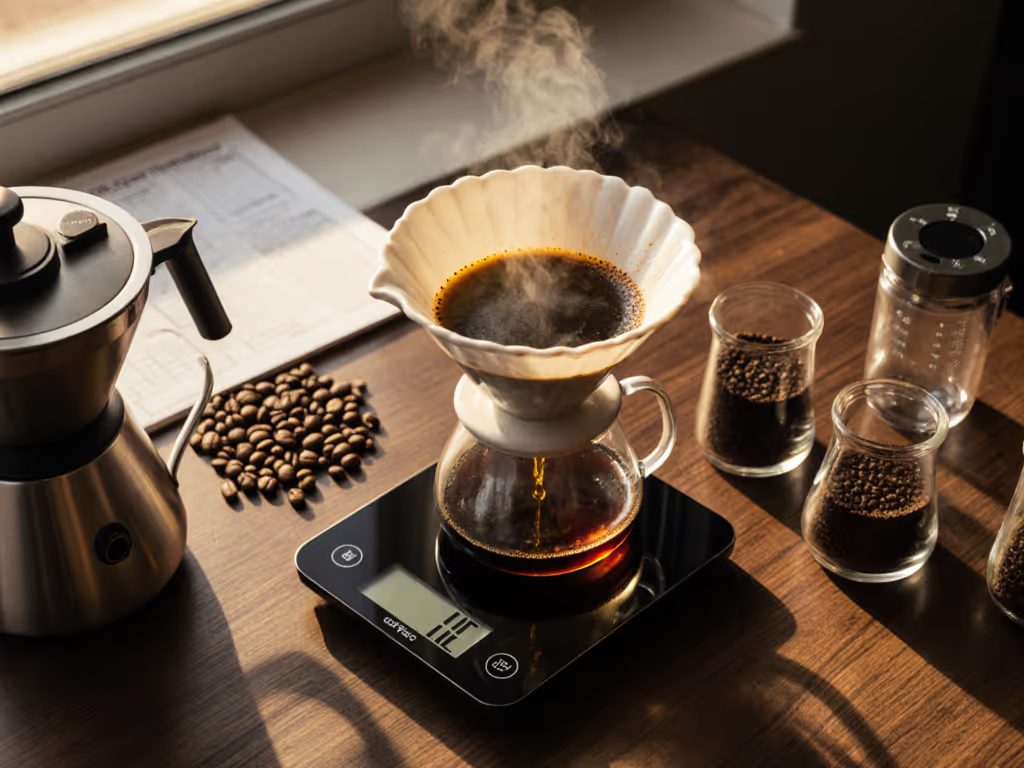
Aged Coffee Extraction: Which Pour-Over Method Wins
By Amara Mensah • 7th Mar
When coffee ages (whether you're reviving beans from last month or experimenting with intentional aging), the game changes.[6] Older beans lose CO2 and oxidize differently, demanding a different brewing strategy than fresh stock.[3] For large pour-over coffee makers and single-serve drippers alike, the aged coffee extraction methods you choose will determine whether you unlock hidden sweetness or brew something astringent and flat. Here's how different pour-over setups actually perform with stale and aged beans, and which one deserves your counter space.
Why Aged Coffee Demands a Different Approach
Fresh beans and old beans are not the same problem. As coffee ages, CO2 escapes, changing the puck's permeability during extraction.[3] For background on CO2 release and how it alters bloom, see our pour-over degassing timeline. The grounds become more permeable, meaning water flows through faster and less evenly, leading to underextraction and hollow flavor if you don't adjust.
At the same time, coffee aging effects include a natural reduction in acidity[6], which can either be a feature (smoother, gentler on the stomach) or a liability (flatter, less vibrant). The trade-off hinges on contact time, temperature, and filtration. Dial in heat precisely with our pour-over temperature control guide. Pour-over methods that control these variables shine; those that don't will leave you with muddy or sour cups.
The Ranked Comparison: Pour-Over Methods for Aged Coffee
1. Cold Brew (Steeped Aged Beans)
Why it ranks highest for aged coffee: Cold brew's prolonged steeping at low temperature minimizes oxidation and, critically, extracts aged beans gently.[1] Coarse grounds steep for 12-24 hours without pressure or heat, allowing dissolved solids to build evenly. The result: stale coffee revival without bitterness.
Per-cup cost: ~$0.35–0.60 (beans amortized; water minimal).
Waste: Zero immediate waste if you use a cloth or metal filter; compostable grounds.
The catch: Slow. Not for weekday mornings unless you brew a batch. Requires cold storage and planning.
Best for: Aged beans from 2-6 months past roast. Smooth, mellow outcome.
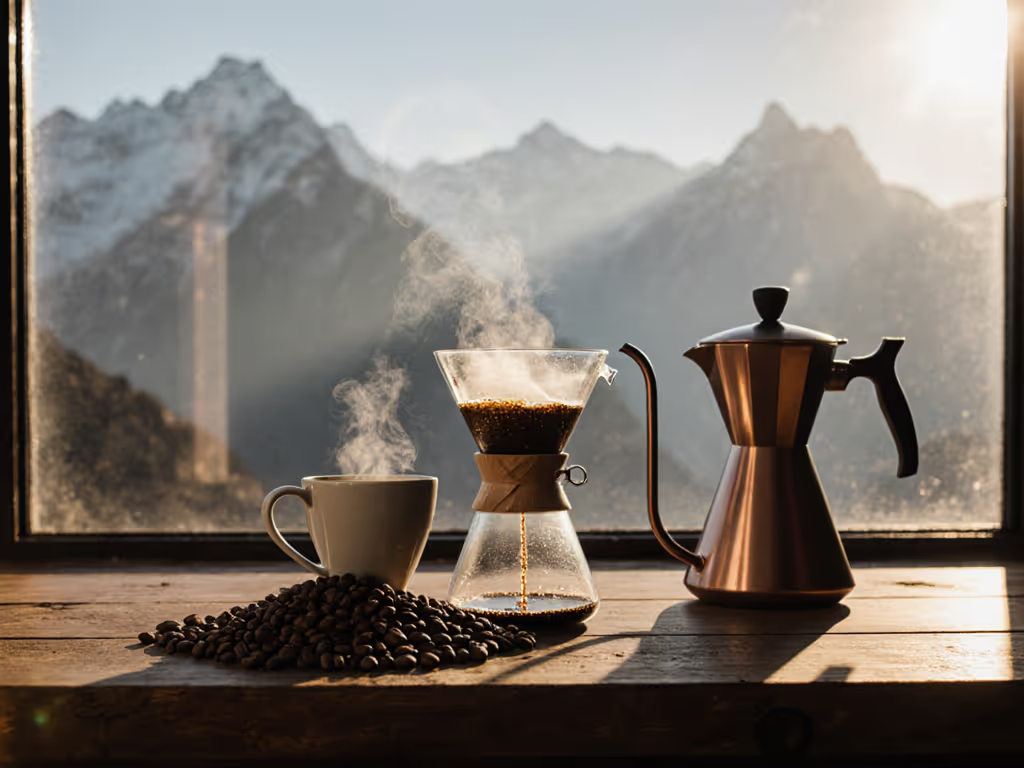
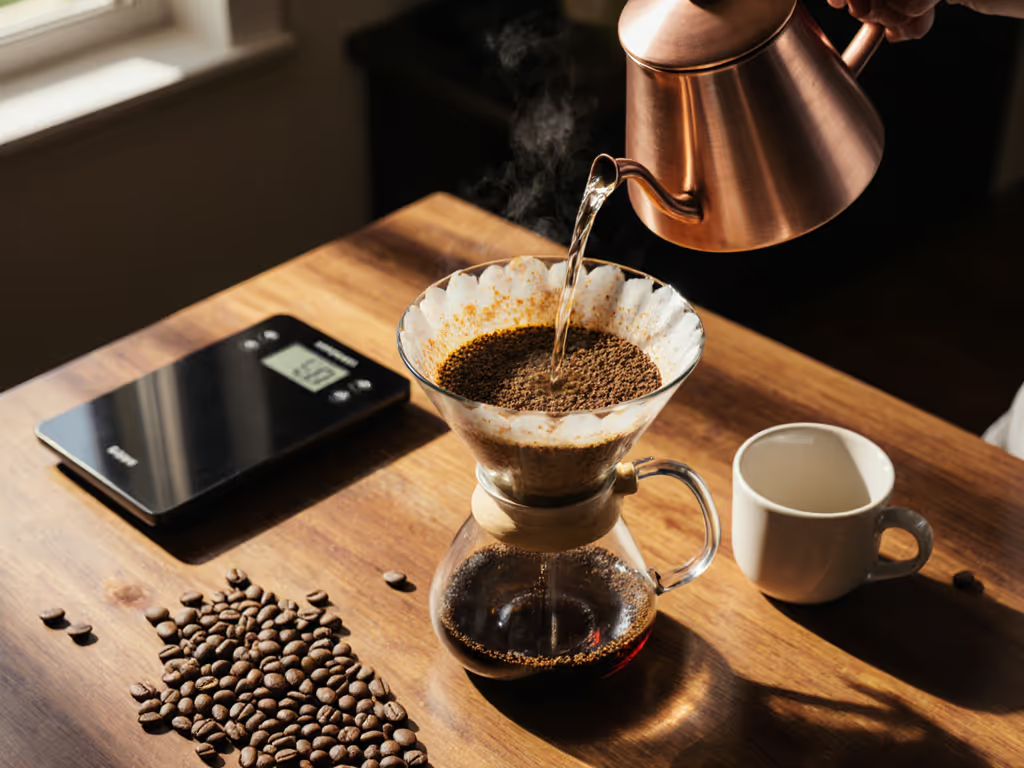
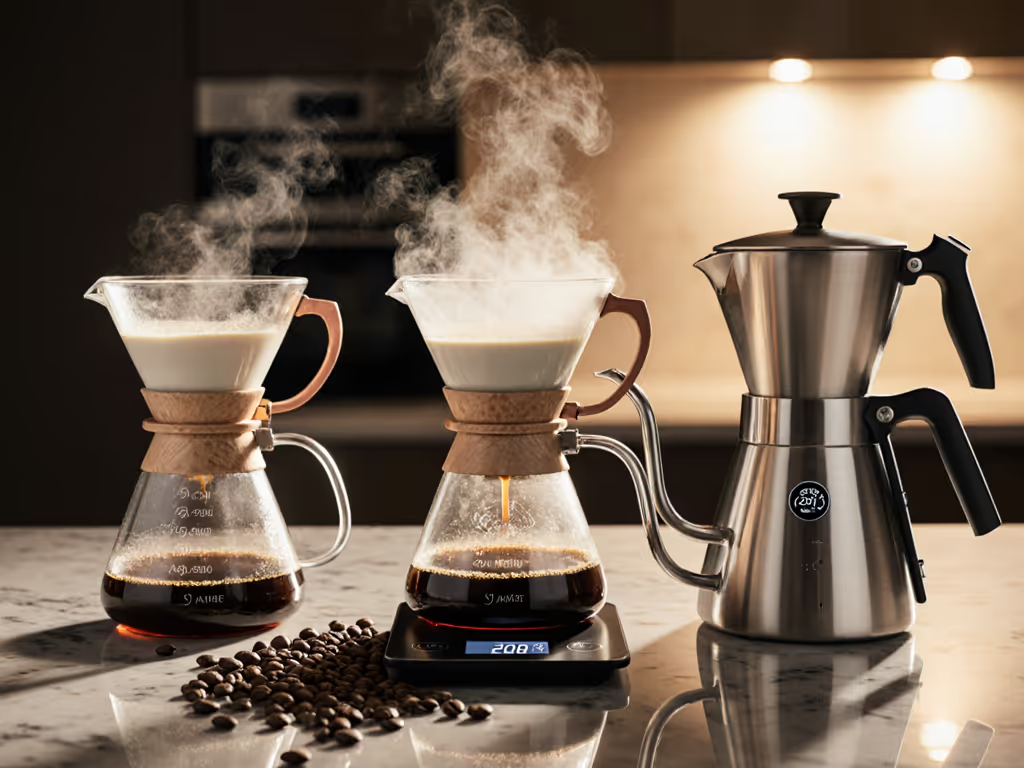
2. Chemex (Large Pour-Over, Thick Paper Filter)
Why it works: The Chemex's bonded paper filter (20-30% thicker than standard) slows extraction and strips oils, which is ideal for aged beans that can turn greasy and dull.[1][4] Manual control lets you adjust pour speed and bloom time to compensate for the beans' reduced CO2, ensuring even wetting and contact.
Per-cup cost: ~$0.45–0.65 (Chemex pays for itself in 80–120 brews).
Waste: Paper filters recyclable or compostable; moderate water use.
The catch: Requires discipline. Uneven pours over-extract aged grounds. Steep learning curve.
Best for: Aged beans 3-8 weeks old. Vintage coffee flavor profile emerges with consistent technique.
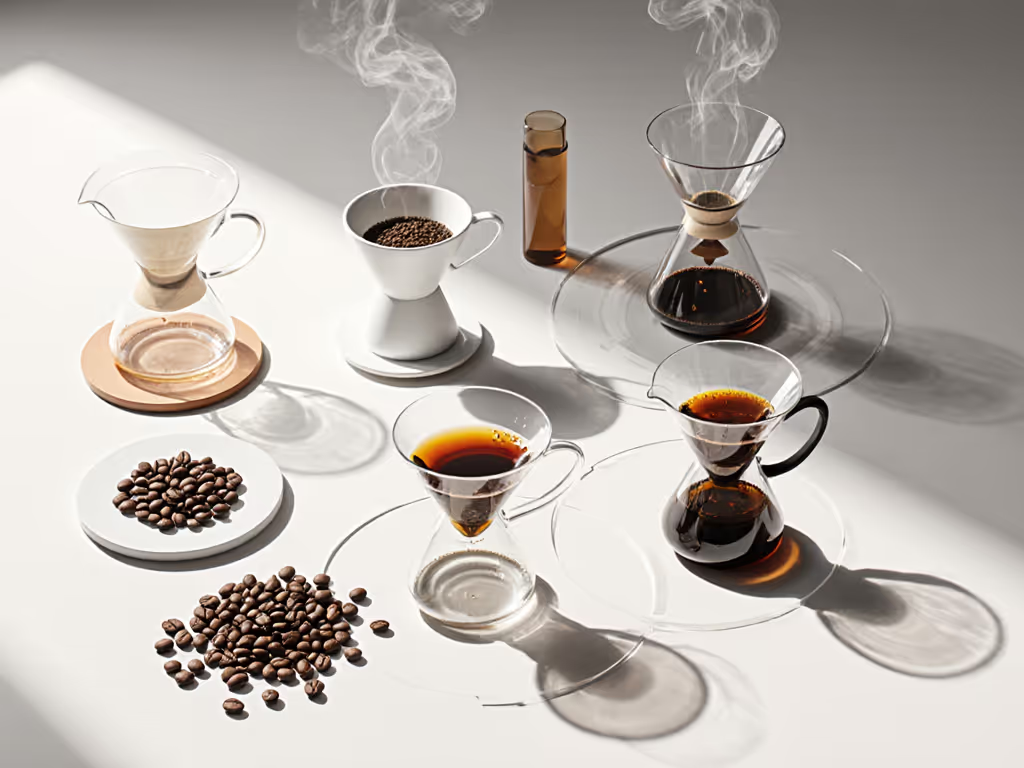
3. Hario V60 (Single-Serve, Spiral Ribs, Paper Filter)
Why it ranks high: The V60's spiral ribs create air pockets that reduce stalling and let you control flow rate precisely.[1] Paper filtration + short brew time (3-4 minutes) means aged beans extract just enough without over-steeping. The cone shape is forgiving for aged grounds because slight inconsistencies in pour don't trap water as easily.
Per-cup cost: ~$0.35–0.50 (one V60 lasts 3+ years; filters ~$0.01 per cup).
Waste: Single paper filter per cup; minimal setup.
The catch: Technique-sensitive but forgiving; better for hands-on brewers.
Best for: Aged beans 2-5 weeks past roast. Clean, balanced result with aged beans' natural sweetness preserved.
4. Kalita Wave (Flat-Bottomed, Wave Filter)
Why it performs: The Wave filter's flat bottom distributes water more uniformly than cone designs, which is crucial for aged beans' permeability.[1] Learn the key cone vs flat-bottom differences that drive extraction on older beans. Three contact points on the filter reduce channeling, a common culprit with older grounds. Consistent bed depth means predictable extraction.
Per-cup cost: ~$0.40–0.55 (dripper ~$30; filters ~$0.015 per cup).
Waste: Proprietary wave filters, but compostable and recyclable.
The catch: Fewer filters available than V60 or Chemex. Less room for intuitive adjustment.
Best for: Aged beans 1-4 weeks old, especially if your technique is inconsistent. Forgiving and repeatable.
5. Melitta (Traditional Cone, Paper Filter)
Why it's relevant: Melitta's simple, single-hole cone design is the original pour-over, unsexy but predictable for aged beans.[1] Slower drain rate forces longer contact time, which can actually help aged grounds that need time to release dissolved solids. Cost is trivial.
Per-cup cost: ~$0.25–0.40 (filters cheapest on the market).
Waste: Disposable, but paper-only and abundant.
The catch: Lacks manual control; can stall or over-extract if brew bed is too fine. Not forgiving.
Best for: Aged beans 2-6 weeks old if you dial grind precisely. Budget brewers or office setups.
6. French Press (Immersion, Metal Filter, No Paper)
Why it ranks lower for aged coffee: Contact time is long (4-5 minutes), and aged beans risk over-extraction and muddiness.[1][4] The metal filter retains oils, which can amplify stale or rancid notes in older stock. That said, if your aged beans are 1-2 weeks old and you shorten brew to 2.5 minutes, it can work, you'll get body and sweetness, but less clarity.
Per-cup cost: ~$0.30–0.50 (French press amortized).
Waste: None; metal filter reusable forever. Pay once, brew for years.
The catch: Control is binary: brew time, or pull the plunger. Hard to adjust mid-brew.
Best for: Aged beans only if fresh-aged (1-3 weeks); better used for fresh stock.
7. AeroPress (Immersion + Pressure, Paper or Metal Filter)
Why it's surprising: The AeroPress combines short brew time (1-3 minutes depending on method) and pressure, which can extract aged beans efficiently without prolonging contact.[1] Paper filters yield cleaner cups; metal filters yield body. The enclosed environment minimizes oxidation during brewing.
Per-cup cost: ~$0.35–0.50 (brews outlast ownership).
Waste: Paper filters recyclable; minimal water.
The catch: Requires manual pressure and practice. Small brew volume (8-12 oz); scaling to a large pour-over coffee maker setup isn't possible.
Best for: Aged beans 1-4 weeks old; travel and office brewing; micro-precision control.
The Verdict: Aged Coffee + Pour-Over Strategy
For old coffee beans brewing, control and filtration trump everything. Stale coffee revival hinges on three factors:
- Short, consistent contact time: Aged grounds extract faster because CO2 is gone; 3-4 minutes is the sweet spot.[1][3]
- Paper or fine filtration: Strips oils that age can turn rancid, preserving clarity.[1]
- Adjustable brew parameters: Manual pour-over (Chemex, V60, Kalita) beats fixed designs (Melitta, French Press) because you can slow or speed extraction in real time.
If you brew aged beans regularly, Hario V60 or Kalita Wave are your best bets: cheap, durable, forgiving, and tunable. A Chemex earns its keep if you're disciplined and enjoy the ritual. French press works only for beans under three weeks old and demands a shorter steep.
The Cost and Waste Angle
Dialing aged beans correctly means fewer throwaway brews during experimentation. A $15 V60 and $8 gooseneck kettle (if you don't have one) pay for themselves in recovered beans inside a month. Compostable paper filters ($15 per 100) cost less than a single specialty espresso drink. Cold brew avoids paper entirely and stretches aged stock further: zero waste, one week shelf life, and no daily brewing friction.
Tracking per-cup cost over six months of aged-bean experiments, I found paper pour-overs (V60, Kalita, Chemex) hovered around $0.40-0.65 per cup, including gear amortization. That's the sweet spot for weekday calm without anxiety. Brew great, spend less, waste nothing; your sink will thank you.
Your Next Step: Test and Dial
If you have a stash of beans older than two weeks, pick one method from the ranked list above and brew the same dose, grind, and water temperature five times. Track pour rate, brew time, and flavor notes. Aged beans reveal brewing flaws instantly: sour tastes mean under-extraction (speed your pour or use finer grounds); muddy or flat tastes mean over-extraction (slow your pour or reduce time). For step-by-step fixes, use our pour-over troubleshooting guide. Adjust one variable between brews.
Within a week, you'll know whether V60's precision, Kalita's consistency, or Chemex's ritual suits your schedule and aged-bean stash. Once you dial it, that $20 dripper becomes your reliable weekday ritual (not a tool you upgrade past). Pay once, brew for years isn't marketing; it's math backed by taste.
Related Articles